
Automotive
Over the Air (OTA)
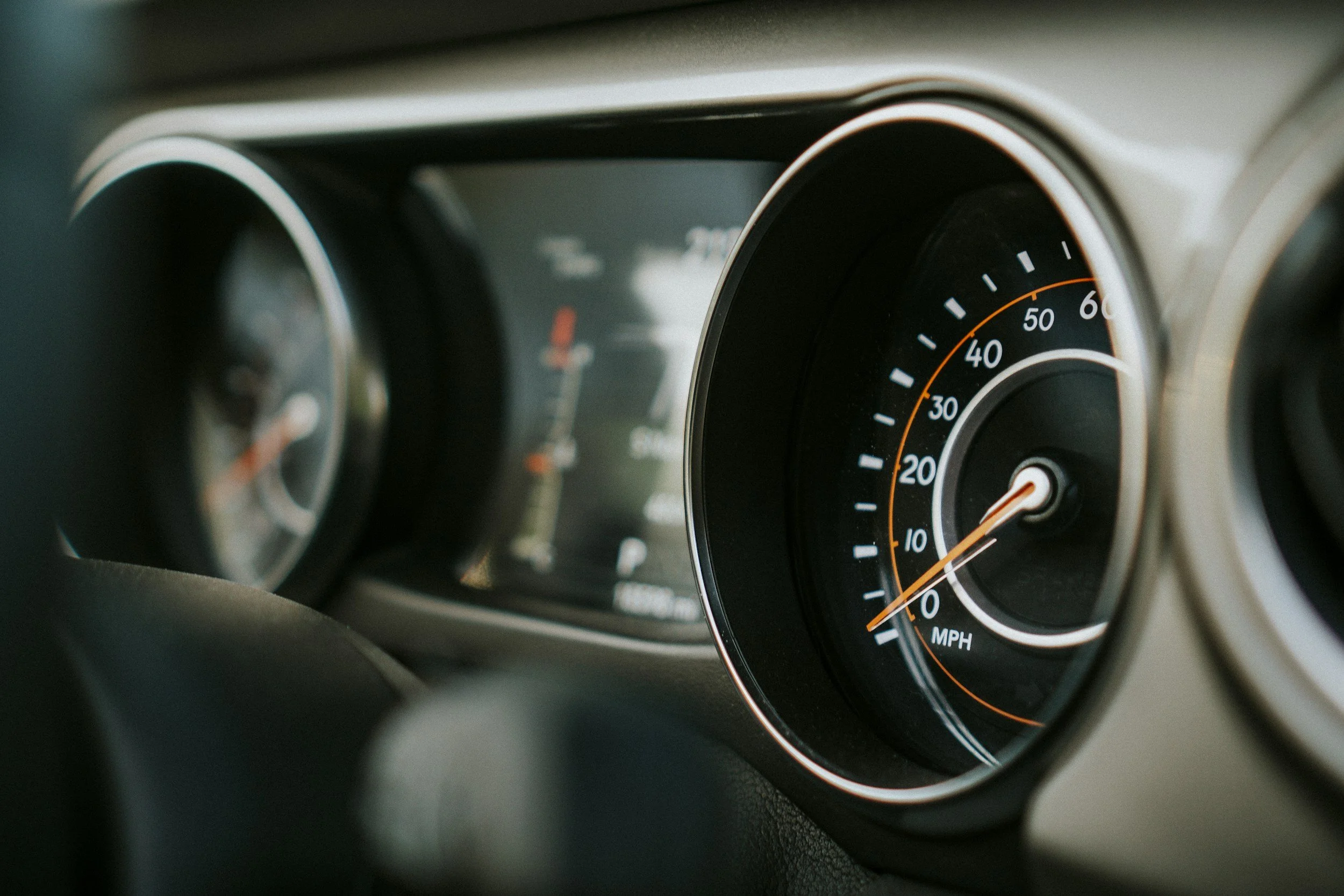
Speed is a factor in more ways than one.
How many of the vehicles that you own have the ability to be updated over the air? What is over the air (OTA) and why should you care?
Why OTA?
OTA allows a car manufacturer to wirelessly send:
Software updates
Bug fixes
Security patches
New features
Infotainment upgrades
Directly to your vehicle without going to a dealership. Think of OTA as a remote update delivered in the same way as your smart devices are updated without the means of plugging them in. Updates are delivered through wireless communication channels. The channels rely on “airwaves” also known as electromagnetic radio frequencies that transmit the data to the vehicle.
Who was the first manufacturer? Tesla back in 2012. Source credit: Wired, 2012 September 24
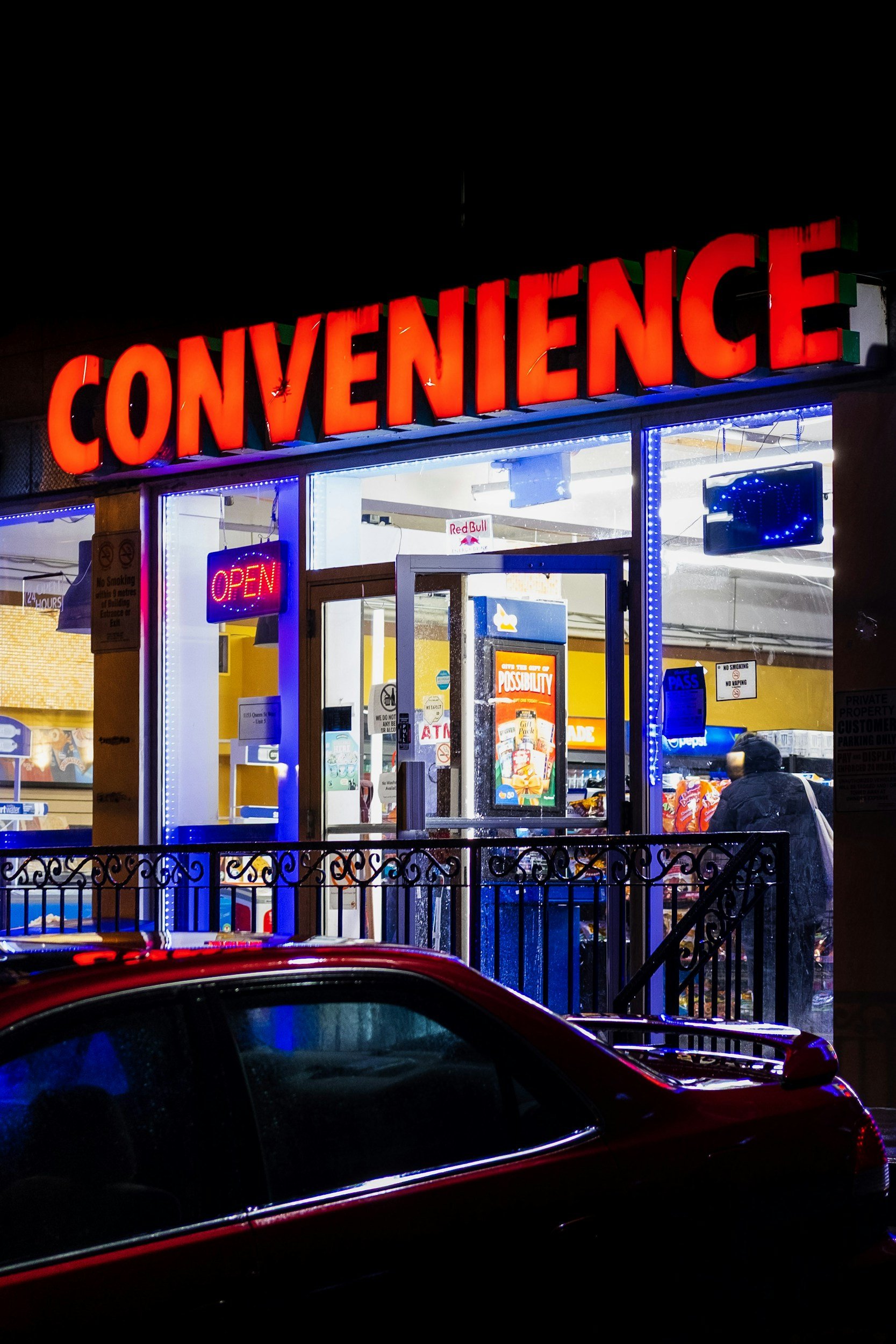
Does convenience come at a cost to the consumer?
Convenience does have benefits. Benefits of not going to the dealership every time your vehicle needs an update. No need to rent a car because your vehicle is in the shop waiting on updates. Some people may disagree and argue that this is not the case. We are well aware that sometimes convenience comes as a cost to the consumer.
What can go wrong?
We purchase a vehicle and its technology for convenience. We like the navigation features, the ability to connect our mobile devices for hands-free text messages and phone calls. We connect our tablets to the vehicle for our children to be engaged on long road trips. We enjoy convenience and we buy convenience. So, what can go wrong with OTA? People jump to the conclusion that technology is the problem. However, this is so far from the truth. Generally, the failure is not technical but rather human-centric.
Human Component
Human Limitations
As humans we tend to assume the systems fail us and we do not fail the system. We have limitations e.g., limited understanding of why your vehicle needs updates, when they need to be updated, and why the update needs to be uninterrupted.
Limited cybersecurity awareness. This one is common. Not everyone knows whether or not the Wi-Fi network is secure.
Memory limitations. We all have this from time to time and not just for our vehicle.
Sometimes we forget to update our smartphones then get an annoying alert. Well, this annoying alert is your red flag (call to action). It is a warning.
Your vehicle requires a secure connection to complete an update.
System engineers are becoming better at providing how people perceive, remember, and act upon the information that they receive.
Human Abilities
Let’s discuss our abilities. Do we have the ability to follow update instructions on our infotainment screen? Meaning can you as an individual leave your vehicle in park, locked, and leave it undisturbed for updating.
Do you have the ability to understand the system prompts?
Do you have the ability to troubleshoot a minor issue? Minor issue being to restart the infotainment system, if requested to do so.
Do you have the ability to connect the vehicle to a secure network? This does not mean you find the local library, sit in its parking lot and connect to the free Wi-Fi to update your vehicle. Free does not equal secure.
Human Behaviors
Human behaviors include actions. According to the National Highway Traffic Safety Administration (NHTSA), behaviors directly influence transportation safety outcomes.
Our behaviors are a direct impact to how an OTA fails. How?
Your vehicle is in the middle of an update that you scheduled at 3 p.m. and you forgot you had an appointment at the doctor’s office at 3:30 p.m. the same day. Problem: updates are generally more than a half hour of uninterrupted installation.
Using unsafe networks for OTA updates.
Ignoring the update notifications. Easy mistake and costly.
Human Processes
How do we process the information we receive, perceive, interpret, decide or act?
Do you assume that the updates are optional and the messages are unimportant?
Are you underestimating the danger of an unsecured network?
Consumer Alert
The same application applies to your vehicle as a mobile device. The consumer does not want a vehicle for a paperweight. If you are unsure about the updates themselves ask the dealership where you purchased your vehicle and/or the manufacturer itself for verification. Learn more for tips on how to protect yourself in April’s edition of The Human Perimeter..
